
ADHD and Depression: 5 Powerful Tips for Mastering Organization
A personal journey from chaos to calm and the simple systems that made all the difference
When My Apartment Finally Felt Like Home
Something weird happened recently. I walked into my apartment, looked around, and realized that after weeks, it was finally organized.
Not Instagram-perfect or staged-for-guests organized, just real-life functional. Everything had a place. No random junk on every surface. No “what the hell is in that bag?” moments. No silent panic when opening a closet.
That hit me harder than I expected. Because if you live with ADHD and depression, you know that feeling is rare as hell.
That’s why I’m sharing this. To offer some hope and real, workable strategies that helped me and might help you too. Because getting it together when your brain works against you isn’t about perfection. It’s survival. And every small win matters.
The Hidden Mental Load of Living with Mess
When Depression Turns the Volume All the Way Up
Depression turns clutter into chaos. A single pile of laundry becomes a mountain. A few dishes feel like a health hazard. Then comes the shame spiral and paralysis. Everything feels heavier.
ADHD Doesn’t Exactly Help
Now add ADHD. I can wreck a room in five minutes flat without even noticing. I’ll start folding laundry, then suddenly I’m reorganizing the pantry, half-unpacking a bag, and deep into a random drawer purge, all at the same time.
Before I know it, I’ve made a bigger mess and can’t finish any of it. Cue executive dysfunction. I shut down.
This is why staying organized when you’re neurodivergent feels like a damn miracle. It’s not about being neat. It’s about building systems that work with your brain, not against it.

5 ADHD and Depression-Friendly Organization Strategies That Changed Everything
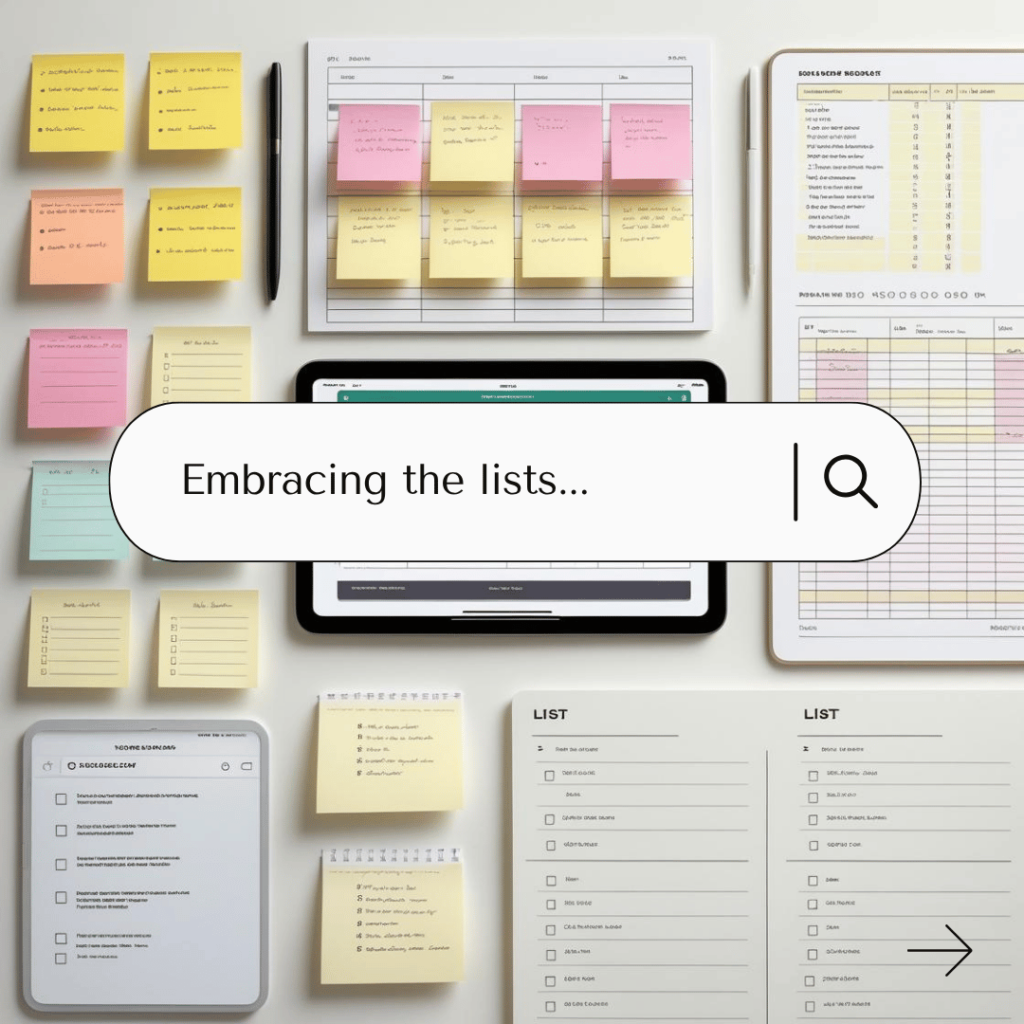
1. Embrace Multiple Checklists (And Stop Feeling Guilty About It)
I need lists like I need air. But I don’t use just one. I use five. That’s not a flaw. It’s a system that works for my brain.
My Multi-List Setup:
- Sticky Notes: Must-do-today items. No exceptions.
- Digital Tools (Notion, Excel, Teams Kanban): Brain dump zone. Everything goes here.
- Whiteboard: In-your-face visual reminders I can’t ignore.
Yes, things get duplicated. No, I don’t care. That redundancy gives me the dopamine I need to actually do stuff.
Pro tip: Write the same task ten times if you have to. Cross it off ten times too. Every checkmark counts.
2. “Everything Has a Home” – This Rule Changed the Game
This one idea flipped everything for me. When stuff doesn’t have a place, it ends up everywhere. And that chaos breeds more chaos.
Loose keys, chargers, receipts, scissors, all that little crap adds up fast. And when my space is visually overwhelming, my brain follows.
Once I got strict about giving every item a home, things got easier. No more wasting energy wondering where stuff goes. No more “I’ll deal with it later.” Just put it back where it belongs.
This mindset shift probably killed 80% of the clutter in my place.
3. Anchor Routines That Keep You From Spiraling
I work a hybrid schedule: three days at home, two in the office. That structure helped me create small anchor routines that keep the chaos from piling up.
These aren’t full-on cleaning sprees. They’re just rhythms that keep things stable.
My Weekly Anchors:
- Monday: Wash sheets and towels
- Tuesday: Laundry during work breaks + light meal prep
- Friday: Clean the robot vacuum
- Daily: Make the bed (it doesn’t have to be pretty)
- Whenever: Run the robot vacuum (daily, bi-weekly, every other day, multiple times in a day)
- Weekend: Grocery list, shop, prep a few basics
When I fall off? I restart. No drama. No shame. Just pick it back up.
4. Meal Prep = ADHD and Depression Insurance
Cooking while depressed? Nope. Either I live off junk or I don’t eat. Meal prep isn’t about being a health guru. It’s survival planning.
Sometimes I’ll do a full batch cook. Most of the time I just set myself up to not crash and burn.
Low-Energy Prep That Helps:
- Wash and cut fruit right after shopping
- Pre-season and freeze protein (air fryer saves lives)
- Keep frozen veggies on hand, ready to roast
- Make grain-based salads that hold up (quinoa, orzo, lentils)
This isn’t about being perfect. It’s about making sure something decent is ready when I don’t have the energy.
5. Lower the Bar (But Keep Moving)
When my energy’s gone, even basic tasks feel impossible. So, I lower the bar, but I keep moving.
Tiny Wins Still Count:
- Can’t clean the kitchen? Just run the dishwasher.
- Can’t fold all the laundry? Just move it to the dryer.
- Can’t cook a full meal? Just rinse the damn strawberries.
It doesn’t have to be big to matter. Small actions build momentum.
Reminder: You’re Not Lazy. This Is Just Hard.
If you’re dealing with ADHD, depression, or both, hear me: you’re not lazy.
You’re managing layers of mental load most people don’t see. It takes real effort to function in a world that wasn’t built for your brain. Sometimes, getting out of bed or wiping down a counter is a massive win.
Your space doesn’t need to look like a magazine. You don’t have to crush every task. You’re doing enough. You are enough.
If the only thing you did today was breathe and read this post, I’m proud of you.
Start Small: A Few Options to Try This Week
Pick one thing. That’s it.
- Try the multi-list system (start with sticky notes + one digital platform)
- Give five frequently-lost items a proper home
- Add one anchor routine (making your bed totally counts)
- Prep one meal component (even just veggies)
- Pick one task and cut it in half (or in quarters, whatever works)
Organization with ADHD and depression isn’t about getting it perfect. It’s about building something sustainable. Something that helps, not hurts.
What’s one tiny thing you can do today to make life a little easier? Do that. Your future self will be glad you did.